A deeper pose can look impressive while hiding the fact that the participant has stopped breathing comfortably. Breath-holding often appears when a position exceeds current strength, mobility or confidence. In structured hatha yoga, the ability to continue breathing can therefore provide more useful feedback than how far the body moves.
This does not mean breathing must remain perfectly slow or effortless. Physical work naturally changes respiratory demand. The concern is a repeated habit of bracing, straining or suspending the breath to maintain a shape.
Why People Hold Their Breath
Breath-holding can happen without conscious intent. Participants may do it while concentrating, anticipating discomfort or trying to stabilise the trunk.
A challenging balance may create a sense that any movement, including breathing, will disturb the position. In a deep stretch, someone may hold the breath while waiting for discomfort to pass. During an arm-supported pose, the participant may brace because the shoulders and trunk feel uncertain.
Breath may also pause when instructions become complex. The person concentrates on several body parts and temporarily forgets to breathe.
These responses provide information about the difficulty of the task. They do not indicate poor discipline.
Depth Can Become a Distracting Metric
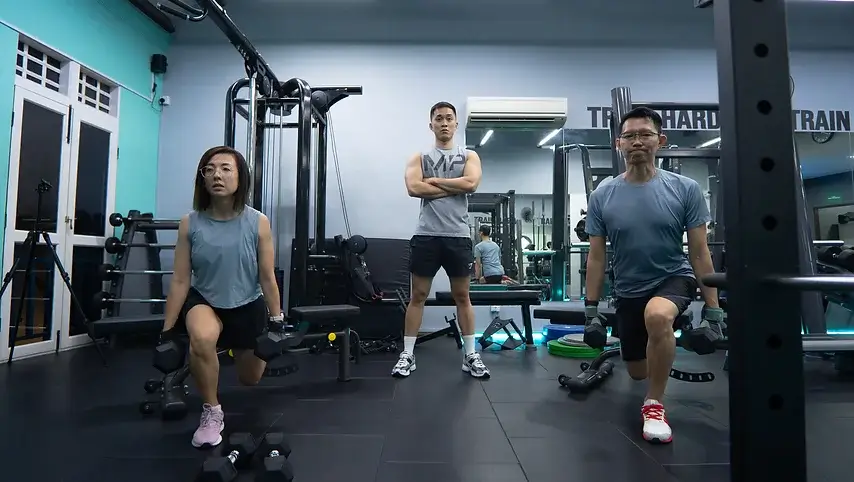
Pose depth is easy to see. Participants can compare how close their hands are to the floor or how far they have moved into a lunge.
Breathing quality is less visible, so it may receive less attention. Yet depth achieved through excessive tension may offer limited value.
A participant may reach farther by collapsing into a joint, rotating away from a restricted area or holding the breath. The shape appears deeper, but control has not necessarily improved.
A smaller range with steady breathing may demonstrate greater ownership of the position. It also leaves the participant with enough capacity to respond to instructions and exit safely.
Breathing Affects Trunk Organisation
Breathing is not separate from posture. The diaphragm, abdominal wall, ribs and pelvic floor respond together as pressure changes inside the trunk.
When a participant holds the breath, the trunk may feel temporarily rigid. This can help explain why breath-holding appears during difficult movements. However, continuous maximal bracing is rarely required in a yoga pose.
Structured practice can teach the participant to maintain enough support while allowing the ribs and abdomen to respond to breathing. This balance is more adaptable than remaining completely rigid.
The objective is not to push the abdomen outward or force the chest upward. Breath should remain available within the position.
Use Breath as a Range Finder
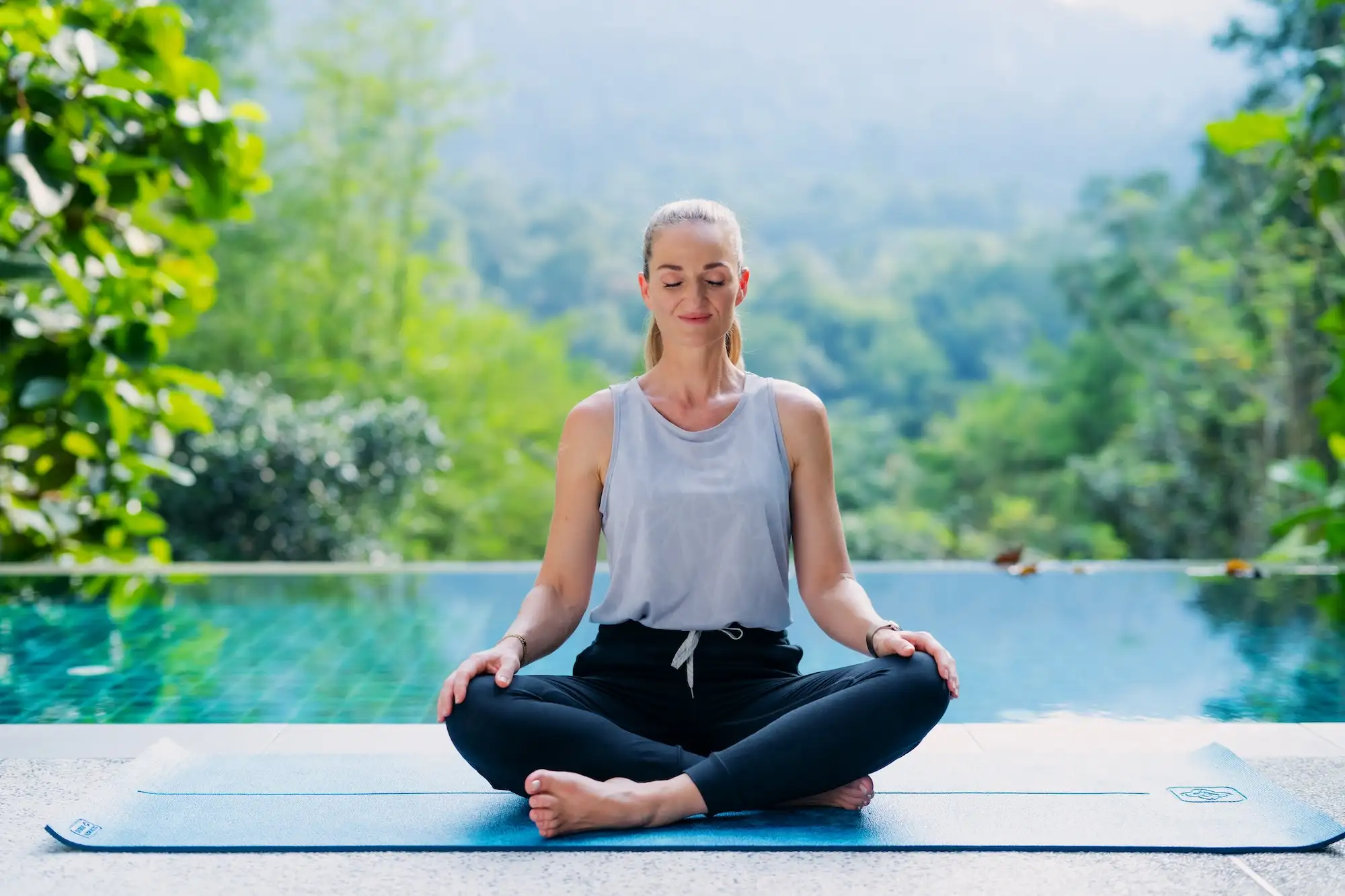
Breathing can help determine an appropriate depth. Enter the pose gradually and notice where the breath begins to change.
If the participant can inhale and exhale without strain, the range may be manageable. If the breath becomes repeatedly held, reduce depth slightly and reassess.
This creates a practical sequence:
- Enter the first comfortable version of the pose.
- Establish stable support through the floor or props.
- Observe two or three natural breaths.
- Increase the range only if breathing remains available.
- Reduce or exit if breath-holding returns.
This method does not replace instructor guidance, but it helps participants recognise their current limit.
Not Every Pause Is a Problem
Breathing patterns vary, and brief natural pauses can occur between inhalation and exhalation. Some yoga techniques also use intentional breath retention under specific instruction.
The concern is unplanned holding associated with strain, fear or loss of control. Participants should distinguish a deliberate practice taught for a clear purpose from an automatic response to excessive effort.
People with relevant medical conditions should seek appropriate advice before practising formal breath retention. They should also inform the instructor about dizziness, breathing difficulty or other symptoms.
Common Situations Where Breath-Holding Appears
Standing balances often trigger breath-holding because participants want to remain still. A better strategy may involve focusing the eyes, reducing the pose range or using light support.
Forward folds can produce breath restriction when the abdomen and thighs are compressed. Widening the stance or bending the knees may create more room.
Twists can limit rib movement if the participant forces rotation. Reducing the twist and lengthening the spine may allow more comfortable breathing.
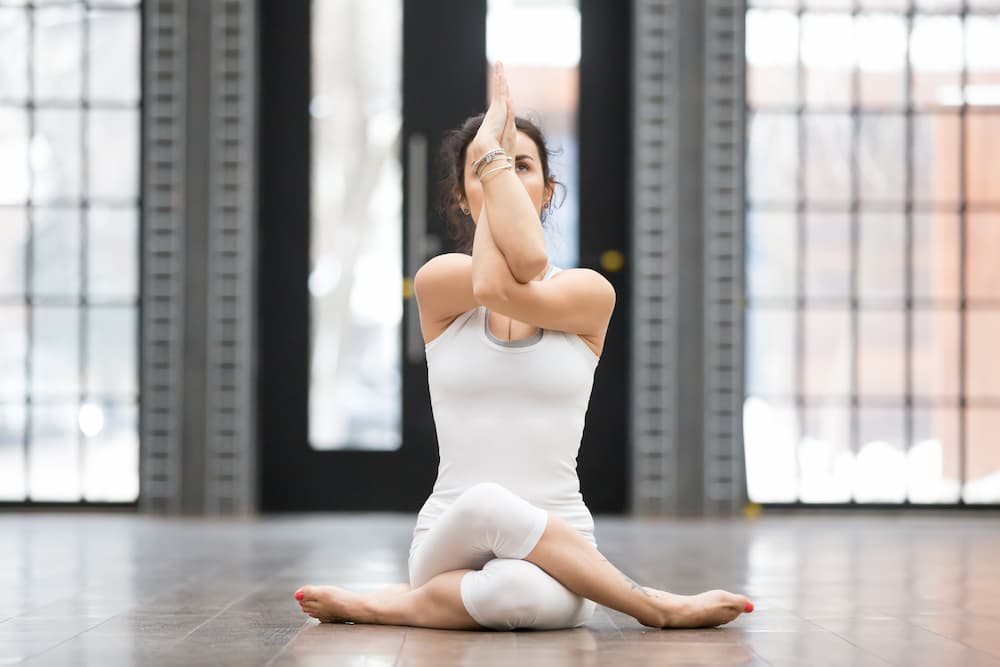
Arm-supported poses can create strong bracing. Elevating the hands or shortening the hold may preserve the exercise without overwhelming the participant.
The appropriate modification depends on the person and the intended movement.
Track Breath Recovery
Progress can be measured by how quickly comfortable breathing returns. A participant may initially need several breaths after leaving a demanding pose. Over time, recovery may become smoother even if the visual depth remains unchanged.
Other useful indicators include:
- Fewer unplanned breath holds.
- Less jaw and facial tension.
- Ability to hear instructions during the pose.
- More controlled exits.
- Steadier breathing on both sides.
- Reduced urge to rush between movements.
These changes suggest improved management of effort.
Avoid Turning Breath Into Another Performance
Once participants learn that breathing matters, they may try to manufacture an exaggerated rhythm. Large forced breaths can create tension or light-headedness.
Breath awareness should reduce unnecessary effort, not add another target that must be perfected. Quiet, comfortable breathing is often more useful than making every breath as deep as possible.
If breathing instructions cause discomfort, return to a natural rhythm and tell the instructor.
Let Breath Protect the Quality of Practice
At Yoga Edition, participants can use Hatha classes to observe how breathing changes across standing poses, balances, folds and supported positions. The instructor can then help adjust stance, props or duration when a position repeatedly disrupts breathing.
Pose depth is only one feature of practice. It does not show whether the participant feels stable, can respond to feedback or has enough control to exit.
Breath-holding habits matter because they reveal when effort has become poorly managed. By treating breathing as part of the movement rather than background activity, participants can select a range that supports strength, awareness and sustainable progress.