
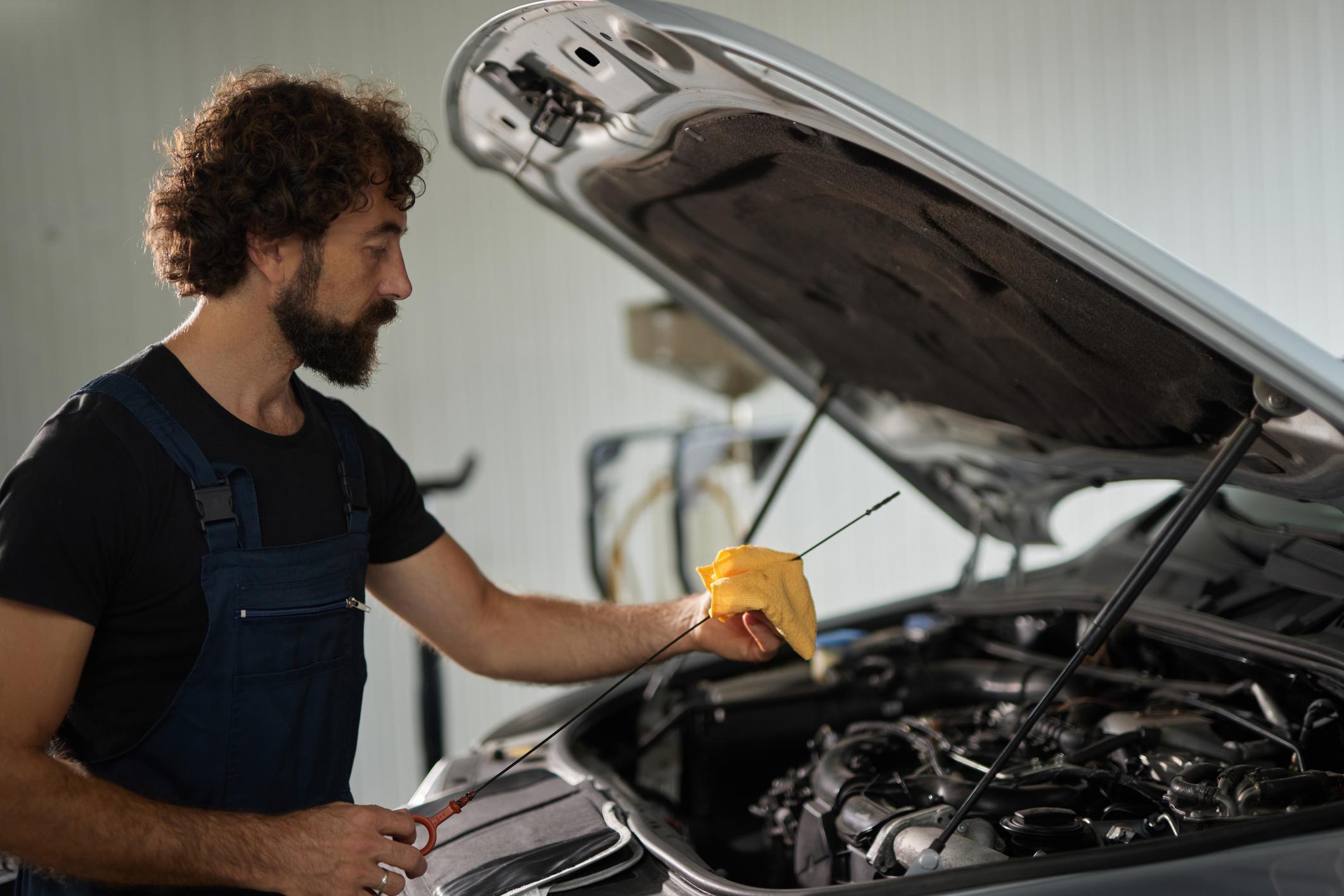
Owning a car comes with responsibilities that go beyond simply filling the fuel tank and driving. Regular maintenance keeps your vehicle safe, reliable, and efficient while preventing costly repairs. Many common mechanical problems can be avoided with simple checks and routine servicing.
Whether you drive daily or occasionally, understanding basic car maintenance helps extend the life of your vehicle and ensures smoother performance on the road.
1. Check Engine Oil Regularly
Engine oil lubricates moving parts inside the engine, reducing friction and preventing overheating. Driving with low or dirty oil can cause serious engine damage.
What to do:
- Check oil levels at least once a month
- Use the dipstick to confirm proper levels
- Replace engine oil according to your vehicle’s recommended service interval
- Always use the oil grade recommended by the manufacturer
Fresh oil keeps the engine running smoothly and improves fuel efficiency.
2. Monitor Tire Pressure
Proper tire pressure affects vehicle handling, fuel economy, and tire lifespan. Underinflated tires create extra resistance on the road and can increase the risk of blowouts.
Maintenance tips:
- Check tire pressure at least once a month
- Use a reliable tire pressure gauge
- Inflate tires to the pressure listed in the vehicle manual or door frame label
- Check pressure when tires are cold for accurate readings
Correct tire pressure improves safety and driving comfort.
3. Inspect and Rotate Tires
Tires wear unevenly depending on driving habits and road conditions. Regular rotation helps distribute wear evenly across all four tires.
Best practices:
- Rotate tires every 8,000–10,000 km
- Inspect tires for cracks, cuts, or uneven wear
- Replace tires when tread depth becomes too low
Healthy tires provide better traction and stability, especially in wet conditions.
4. Replace Air Filters
Air filters prevent dust, dirt, and debris from entering the engine. A clogged air filter can reduce engine performance and increase fuel consumption.
Signs your air filter may need replacement:
- Reduced fuel efficiency
- Sluggish engine performance
- Dirty or dark-colored filter
Most air filters should be replaced every 12,000–15,000 km, depending on driving conditions.
5. Check Battery Health
A weak or failing battery can leave you stranded without warning. Car batteries usually last three to five years, but climate and driving patterns can affect their lifespan.
Battery maintenance tips:
- Inspect terminals for corrosion
- Ensure connections are tight
- Test battery voltage during routine service
- Replace the battery if starting becomes slow or inconsistent
Regular checks help avoid unexpected breakdowns.
6. Maintain Brake System
Your braking system is one of the most critical safety components of a vehicle. Worn brake pads or damaged brake components can compromise stopping power.
Watch for warning signs such as:
- Squealing or grinding noises
- Reduced braking performance
- Vibration when braking
- Brake warning lights on the dashboard
Brake pads should be inspected regularly and replaced when worn.
7. Replace Windshield Wipers
Windshield wipers ensure clear visibility during rain, snow, or dust. Over time, rubber blades wear out and lose effectiveness.
Maintenance guidelines:
- Replace wipers every 6–12 months
- Look for streaks or skipping across the windshield
- Clean the windshield regularly to reduce wear on blades
Good visibility is essential for safe driving in poor weather.
8. Check Fluid Levels
Vehicles rely on several essential fluids to operate properly. Low or contaminated fluids can cause serious mechanical issues.
Important fluids to monitor:
- Engine coolant
- Brake fluid
- Transmission fluid
- Power steering fluid
- Windshield washer fluid
Check these fluids periodically and refill or replace them according to manufacturer recommendations.
9. Inspect Lights and Electrical Systems
Working lights help drivers see the road and communicate with other vehicles. Burned-out bulbs can reduce visibility and increase accident risk.
Regular checks should include:
- Headlights
- Brake lights
- Turn signals
- Fog lights
- Interior dashboard lights
Replacing faulty bulbs immediately improves safety and prevents traffic violations.
10. Follow the Recommended Service Schedule
Every vehicle manufacturer provides a maintenance schedule designed to keep the car operating at peak performance.
Typical scheduled services include:
- Oil and filter changes
- Spark plug replacement
- Timing belt inspection
- Cooling system maintenance
- Comprehensive mechanical inspections
Following the service schedule ensures small issues are addressed before they become major problems.
Final Thoughts
Routine car maintenance is one of the most effective ways to protect your investment and ensure safe driving. Simple habits such as checking oil levels, maintaining tire pressure, and inspecting critical components can significantly extend the lifespan of your vehicle.
By staying proactive with maintenance, drivers can reduce repair costs, improve performance, and enjoy a more reliable driving experience.
Frequently Asked Questions (FAQs)
1. How often should a car undergo general servicing?
Most vehicles should receive a general service every 10,000 to 15,000 kilometers or at least once a year.
2. What are the signs that a car needs immediate maintenance?
Warning lights on the dashboard, unusual noises, fluid leaks, and sudden performance issues often indicate that the vehicle needs immediate attention.
3. Is it safe to drive with the check engine light on?
While the car may still run, the check engine light indicates a problem that should be diagnosed as soon as possible to prevent further damage.
4. How can regular maintenance improve fuel efficiency?
Proper tire pressure, clean air filters, and fresh engine oil reduce engine strain and improve overall fuel consumption.
5. What happens if coolant levels are too low?
Low coolant levels can cause the engine to overheat, potentially leading to serious engine damage.
6. Do short trips affect vehicle maintenance needs?
Yes. Frequent short trips can prevent the engine from reaching optimal temperature, which may increase wear and require more frequent maintenance.
7. Why is it important to keep service records?
Maintaining service records helps track maintenance history, identify recurring issues, and can increase the vehicle’s resale value.


