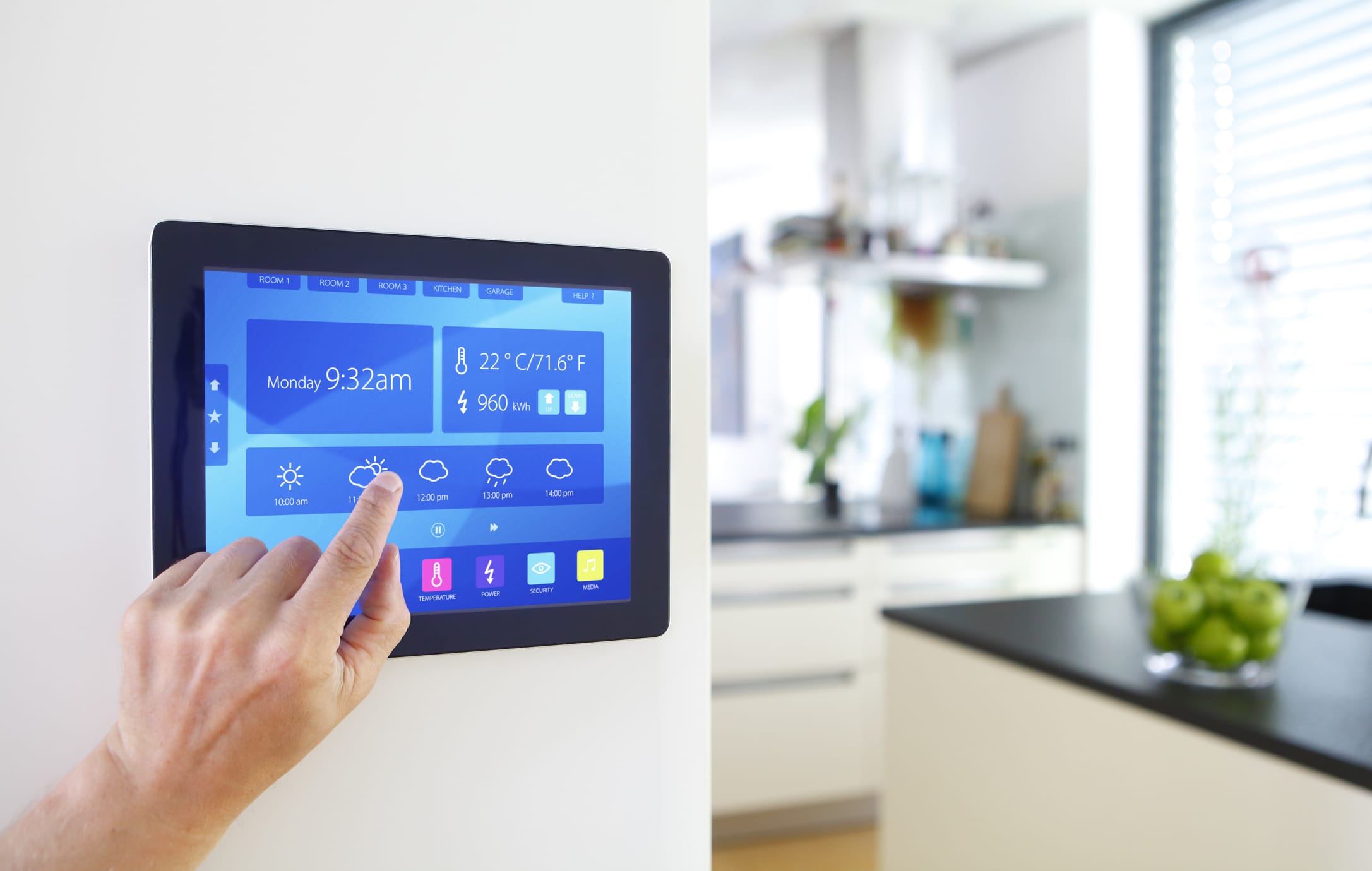
Smart home technology is rapidly changing how people interact with their living spaces. By connecting everyday household devices to the internet, homeowners can control lighting, security, temperature, and appliances with greater convenience and efficiency.
These connected systems are designed to make homes more comfortable, energy-efficient, and secure. As technology continues to evolve, smart homes are becoming increasingly common in modern households.
What Is Smart Home Technology?
Smart home technology refers to internet-connected devices and systems that allow homeowners to monitor and control various aspects of their homes remotely or automatically.
These systems typically connect through:
- Wi-Fi networks
- Mobile applications
- Voice assistants
- Centralized smart home hubs
Through these technologies, homeowners can manage multiple devices from a single interface.
Key Components of a Smart Home
A fully integrated smart home often includes several interconnected devices working together to improve daily living.
Common smart home components include:
- Smart lighting systems that can be scheduled or controlled remotely
- Smart thermostats that adjust temperature automatically
- Security cameras and smart doorbells
- Smart locks for remote access control
- Connected appliances such as refrigerators or washing machines
These devices create a more responsive and automated living environment.
Enhanced Convenience and Automation
One of the most appealing aspects of smart home technology is the convenience it offers. Automation allows devices to perform tasks without manual intervention.
Examples of smart automation include:
- Lights turning on automatically when someone enters a room
- Thermostats adjusting temperatures based on occupancy
- Coffee machines starting at scheduled times
- Voice commands controlling multiple devices simultaneously
Automation reduces daily effort and simplifies routine household tasks.
Improved Home Security
Smart home security systems provide homeowners with greater awareness and control over their property.
Modern security technologies include:
- Smart surveillance cameras with mobile alerts
- Motion detection systems
- Remote door locking and unlocking
- Video doorbells with real-time notifications
These systems allow homeowners to monitor their homes even when they are away.
Energy Efficiency and Cost Savings
Smart home technology can also help reduce energy consumption and lower utility costs. Automated systems optimize energy usage by adjusting settings based on real-time conditions.
Energy-saving benefits include:
- Smart thermostats that regulate heating and cooling
- Automated lighting systems that turn off when rooms are empty
- Energy monitoring tools that track electricity usage
- Smart appliances designed to use power more efficiently
Over time, these improvements can lead to significant energy savings.
Integration with Voice Assistants
Voice-controlled assistants have become a central feature of many smart homes. These systems allow users to interact with their devices using simple voice commands.
With voice integration, homeowners can:
- Turn lights on or off
- Adjust room temperature
- Play music or entertainment systems
- Receive reminders or weather updates
Voice control adds an extra layer of accessibility and convenience to smart homes.
Remote Access and Monitoring
One of the key advantages of smart home systems is the ability to control devices remotely through smartphone applications.
Remote access allows homeowners to:
- Monitor security cameras from anywhere
- Adjust home temperature before arriving
- Check whether doors are locked
- Manage household devices while traveling
This flexibility provides greater control and peace of mind.
Challenges and Considerations
Despite its advantages, smart home technology also comes with certain challenges that homeowners should consider.
Potential concerns include:
- Data privacy and cybersecurity risks
- Compatibility issues between devices from different brands
- Dependence on reliable internet connectivity
- Initial setup and installation costs
Careful device selection and secure network practices can help minimize these concerns.
The Future of Smart Homes
Smart home technology is expected to continue evolving as artificial intelligence, machine learning, and advanced sensors become more integrated into household systems.
Future developments may include:
- Homes that learn residents’ habits and preferences automatically
- Improved energy management systems
- Advanced home health monitoring technologies
- Greater interoperability between devices and platforms
These advancements will further enhance comfort, efficiency, and convenience in modern living spaces.
Frequently Asked Questions (FAQs)
1. What is the main purpose of smart home technology?
The primary goal is to improve convenience, security, and energy efficiency by connecting and automating household devices.
2. Do smart home devices require a constant internet connection?
Most smart devices rely on internet connectivity for remote control and updates, although some basic functions may still work locally.
3. Are smart homes expensive to set up?
Costs vary depending on the number and type of devices installed. Many homeowners start with a few devices and expand gradually.
4. Can smart home devices work together from different brands?
Some devices are compatible across platforms, but checking compatibility before purchase helps ensure smooth integration.
5. How secure are smart home systems?
Security depends on proper network protection, strong passwords, and regular software updates.
6. Can smart homes help reduce electricity bills?
Yes. Smart thermostats, lighting systems, and energy monitoring tools can optimize power usage and reduce waste.
7. Are smart homes suitable for older adults or people with disabilities?
Yes. Voice control, automation, and remote monitoring can make daily tasks easier and improve safety for individuals with limited mobility.